Gardening Tool Buying Guide
B2B Gardening Tool Sourcing Guide
Gardening Tool Buying Guide
How to Choose the Right Supplier and Products
Whether you are an importer, distributor, retailer, or private-label brand owner, choosing the right gardening tool supplier can directly impact product quality, customer satisfaction, supply reliability, and long-term market competitiveness.
Successful B2B sourcing involves much more than comparing prices. Buyers should carefully evaluate materials, intended applications, durability, manufacturing capabilities, OEM/ODM support, quality control systems, and seasonal supply stability.
What Buyers Should Evaluate
Market Position Tool Categories Regional Demand Product Quality Material Selection Supplier Capability OEM / ODM Lead Time Total Cost Sourcing Process
1. Define Your Market Position and Customer Needs
Before sourcing gardening tools, buyers should identify their target customers and understand the specific demands of each market. Garden size, climate, landscaping habits, and regional gardening culture all influence product selection.
Target Market
Customer Segment
Intended Application
Seasonal Demand
Budget & Price Range
Branding Requirements
2. Understand the Main Categories of Gardening Tools
Pruning Shears
Used for trimming flowers, pruning branches, and routine garden maintenance. Key factors include blade material, cutting capacity, handle comfort, safety lock, and spring durability.
Grass Shears
Designed for lawn edges, flower beds, wall borders, and areas difficult to reach with lawn mowers. Rotating blades are preferred in many markets.
Weeding Tools
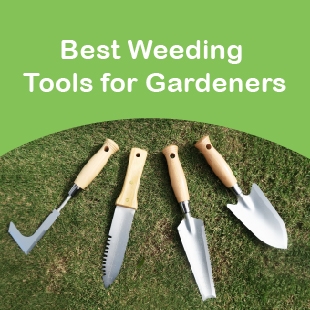
Includes weeding knives, hand weeders, weed pullers, and cultivators. Buyers should evaluate tool head strength, grip comfort, and suitability for hard soil.
Gardening Hand Tools
Trowels, forks, cultivators, hand rakes, and transplanters are often sold individually or bundled with bags, cases, or gift packaging.
Gardening Tool Sets
Popular among retailers, e-commerce sellers, gift markets, and beginner gardeners. A successful set should be built around real user needs, not simply combined products.
3. Gardening Tool Preferences Across Different Markets
North America
Larger gardens, strong DIY culture, and demand for durable pruning tools, loppers, saws, and tool sets.
Japan
Focus on precision, compact storage, ease of use, product details, and manufacturing consistency.
Europe
Preference for sustainability, durability, stainless steel tools, wooden handles, and long-lasting products.
Southeast Asia
High humidity and year-round use require corrosion resistance, tool strength, competitive pricing, and reliable supply.
4. Evaluate Product Quality Beyond Price
Price should never be the only factor when selecting gardening tools. Low-cost products may reduce initial purchasing expenses, but they can lead to higher return rates, customer complaints, warranty costs, and damage to brand reputation.
Blade Material & Hardness Heat Treatment Quality Cutting Performance Corrosion Resistance Handle Durability Tool Head Strength Component Reliability Packaging Protection
5. Compare Common Gardening Tool Materials
Material
Key Features
Common Applications
Medium Carbon Steel
Good hardness, sharpness, wear resistance, and cost-effectiveness.
General cutting tools and garden shears.
SK5 High Carbon Steel
Excellent hardness, edge retention, and stable cutting performance.
Premium pruning shears and cutting tools.
Stainless Steel
Excellent corrosion resistance, attractive appearance, and easy maintenance.
Trowels, forks, hand tools, and humid environments.
CR-MO Alloy Steel
Outstanding strength, toughness, durability, and long service life.
Professional-grade and premium gardening tools.
6. Evaluate Supplier Capabilities
A reliable gardening tool supplier should offer more than competitive pricing. Experienced manufacturers help buyers reduce sourcing risks and improve product launch success rates.
Manufacturing Capacity
Export Experience
Sample Availability
Quality Control Systems
OEM/ODM Capabilities
Product Development Support
Packaging Customization
International Market Knowledge
7. Understanding OEM and ODM Services
OEM
Customers provide their own brand, specifications, or designs while the manufacturer handles production. This is ideal for buyers with established product concepts.
ODM
The manufacturer provides product designs, development expertise, or existing product solutions that customers can customize and brand for faster market entry.
8. Consider Lead Times and Supply Stability
Gardening tools are highly seasonal products, making production planning and inventory preparation critical. Delayed deliveries may result in missed selling seasons, lost revenue, and damaged customer relationships.
Sample development timelines
Production lead times
Peak-season manufacturing capacity
Minimum order quantities
Packaging approval schedules
Shipping and logistics arrangements
9. Focus on Total Cost, Not Unit Price
The true cost of a product includes durability, defect rates, return rates, customer service costs, packaging losses, shipping efficiency, after-sales support, and brand reputation.
Higher-quality products often deliver lower long-term costs and stronger customer satisfaction.
10. Common Sourcing Mistakes to Avoid
Focusing Only on Price
Low-cost products can create higher return rates and customer complaints.
Ignoring Lead Times
Failing to prepare for seasonal demand may cause stock shortages.
Skipping Sample Testing
Large orders without product testing may lead to poor market acceptance.
Overlooking Packaging
Packaging directly affects retail performance and customer perception.
11. Recommended Gardening Tool Sourcing Process
1. Define target market
2. Select product categories
3. Identify suppliers
4. Request quotations
5. Test samples
6. Compare quality and lead time
7. Confirm packaging
8. Place trial order
9. Evaluate market response
10. Build long-term partnership
Looking for a Reliable Gardening Tool Manufacturer?
If you are looking for a Taiwan-based gardening tool manufacturer with export experience, product development expertise, and comprehensive OEM/ODM services, SUMIO can help you build a more reliable and competitive gardening tool supply chain.
Contact SUMIO
.sumio-buying-guide {
width: 100%;
font-family: Arial, Helvetica, sans-serif;
color: #333;
line-height: 1.8;
}
.sumio-buying-guide * {
box-sizing: border-box;
}
.guide-hero {
text-align: center;
padding: 75px 20px 65px;
background: linear-gradient(180deg, #f4fbf4 0%, #ffffff 100%);
border-bottom: 1px solid #e5e5e5;
}
.guide-label {
color: #339933;
font-size: 14px;
letter-spacing: 2px;
text-transform: uppercase;
font-weight: bold;
margin-bottom: 12px;
}
.guide-hero h1 {
color: #339933;
font-size: 46px;
margin: 0 0 12px;
line-height: 1.25;
}
.guide-hero h2 {
color: #333;
font-size: 28px;
margin: 0 0 22px;
}
.guide-hero p {
max-width: 900px;
margin: 0 auto;
color: #555;
font-size: 17px;
}
.guide-intro,
.guide-section,
.guide-toc {
max-width: 1050px;
margin: 0 auto;
padding: 55px 20px;
}
.guide-intro {
font-size: 17px;
}
.guide-toc {
padding-top: 30px;
}
.guide-toc h2,
.guide-section h2 {
color: #339933;
font-size: 32px;
margin-bottom: 28px;
}
.toc-grid,
.check-grid,
.quality-list,
.supplier-grid,
.process-steps {
display: grid;
grid-template-columns: repeat(2, 1fr);
gap: 14px;
}
.toc-grid a,
.check-grid div,
.quality-list span,
.supplier-grid div,
.process-steps div {
background: #fff;
border: 1px solid #e5e5e5;
border-left: 4px solid #339933;
padding: 14px 18px;
border-radius: 6px;
color: #333;
text-decoration: none;
}
.toc-grid a:hover {
color: #339933;
background: #f8fbf8;
}
.light-bg {
background: #f8fbf8;
max-width: none;
}
.light-bg > * {
max-width: 1050px;
margin-left: auto;
margin-right: auto;
}
.category-grid,
.market-grid,
.compare-grid,
.mistake-grid {
display: grid;
grid-template-columns: repeat(2, 1fr);
gap: 22px;
margin-top: 25px;
}
.category-card,
.market-grid div,
.compare-grid div,
.mistake-grid div {
background: #fff;
border: 1px solid #e5e5e5;
border-radius: 8px;
padding: 24px;
box-shadow: 0 4px 12px rgba(0,0,0,0.04);
}
.full-card {
grid-column: 1 / -1;
}
.category-card h3,
.market-grid h3,
.compare-grid h3,
.mistake-grid h3 {
color: #339933;
margin-top: 0;
}
.material-table {
width: 100%;
border-collapse: collapse;
margin-top: 25px;
font-size: 15px;
}
.material-table th {
background: #339933;
color: #fff;
padding: 13px;
text-align: left;
}
.material-table td {
border: 1px solid #ddd;
padding: 13px;
vertical-align: top;
}
.material-table tr:nth-child(even) {
background: #f4fbf4;
}
.simple-list {
padding-left: 22px;
}
.simple-list li {
margin-bottom: 8px;
}
.guide-highlight {
background: #f4fbf4;
border-left: 6px solid #339933;
padding: 24px;
margin: 30px 0;
font-weight: bold;
}
.final-cta {
background: #339933;
color: #fff;
text-align: center;
padding: 70px 25px;
margin-top: 40px;
}
.final-cta h2 {
color: #fff;
font-size: 34px;
margin-bottom: 20px;
}
.final-cta p {
max-width: 850px;
margin: 0 auto 28px;
font-size: 17px;
}
.final-cta a {
display: inline-block;
background: #fff;
color: #339933;
padding: 13px 32px;
border-radius: 999px;
text-decoration: none;
font-weight: bold;
}
.final-cta a:hover {
background: #f4fbf4;
}
@media (max-width: 850px) {
.guide-hero h1 {
font-size: 36px;
}
.guide-hero h2 {
font-size: 23px;
}
.toc-grid,
.check-grid,
.quality-list,
.supplier-grid,
.process-steps,
.category-grid,
.market-grid,
.compare-grid,
.mistake-grid {
grid-template-columns: 1fr;
}
.guide-section h2,
.guide-toc h2 {
font-size: 26px;
}
}